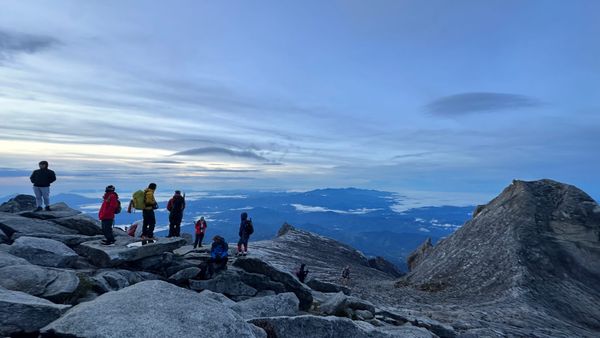
A Mountain Doesn't Have to Teach You Anything
Not every climb needs to be a lesson in resilience, perseverance, or personal growth. In a world determined to find deeper meaning in every adventure, perhaps simply enjoying the mountains should be enough.

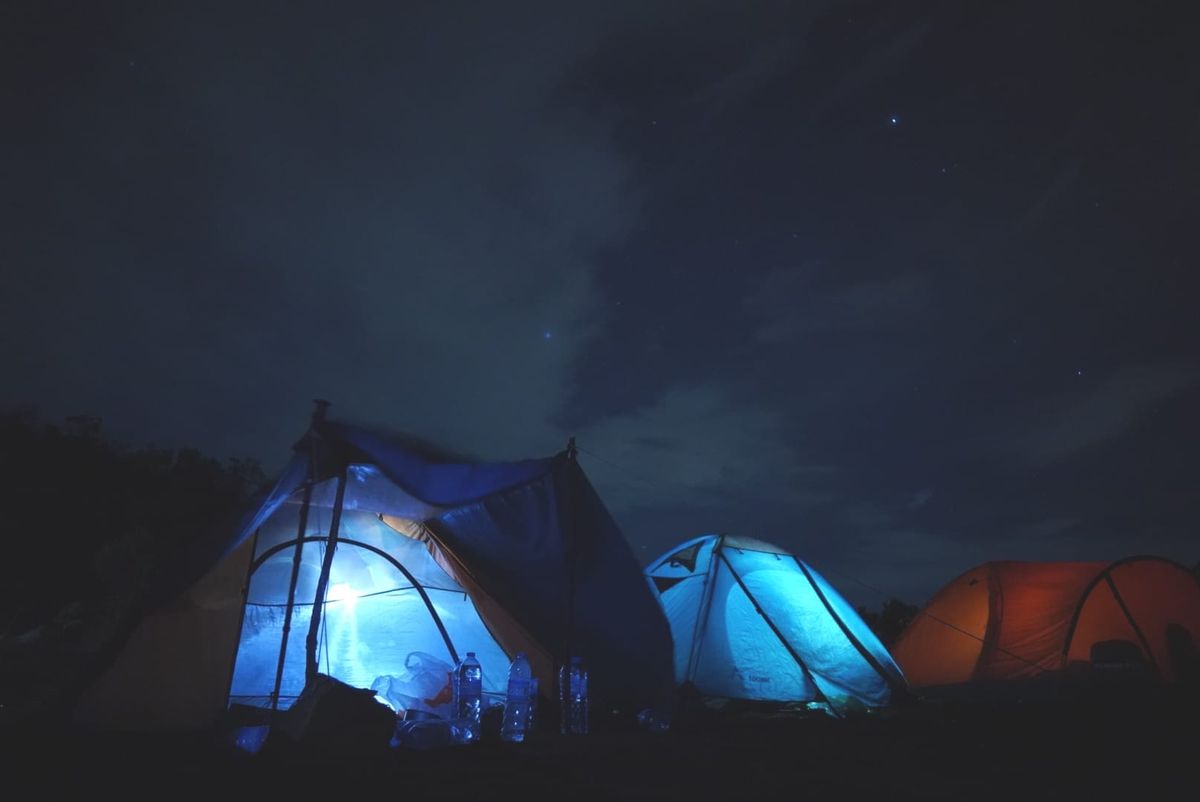
Not every climb needs to be a lesson in resilience, perseverance, or personal growth. Sometimes, climbing is reason enough.
Spend enough time reading about mountaineering and you might begin to suspect that mountains exist primarily to teach us things.
Every difficult ascent becomes a lesson in perseverance. Every failed summit attempt becomes an exercise in humility. Every sunrise above the clouds becomes a reminder of what truly matters.
Somewhere along the way, simply climbing a mountain stopped being enough. The experience apparently needed a deeper meaning.
There is nothing wrong with finding meaning in the mountains. An expedition can genuinely change someone's perspective, challenge their assumptions, or reveal something about themselves they had never considered. For some, these experiences are profoundly personal.
But the expectation that every adventure should produce a revelation is a curious one.
Sometimes, the weather is terrible. The trail is muddy, the summit is hidden behind clouds, and the entire experience consists of wondering why you agreed to wake up at midnight.
You return exhausted, hungry, and smelling considerably worse than when you started.
And somehow, you still had a wonderful time.
Perhaps it was the company. Perhaps it was the satisfaction of reaching somewhere difficult. Perhaps you simply enjoy climbing mountains, even when the experience is uncomfortable.
Why should any of that require a philosophical explanation?
Adventure storytelling has developed an impressive ability to turn almost anything into a metaphor. Summits represent success. Turning back represents wisdom. The descent reminds us that the journey matters more than the destination.
Even a disappointing climb can apparently be redeemed by discovering that the real summit was within us all along.
Yet mountains are remarkably indifferent to these interpretations.
A mountain does not know whether you are searching for purpose, recovering from heartbreak, escaping your routine, or simply making use of a long weekend.
It does not reward determination with good weather. It does not guarantee that effort will lead to a summit. And it certainly does not arrange a spectacular sunrise because you endured six hours of climbing in the dark.
We are the ones who construct those meanings afterwards.
That, perhaps, is the more interesting observation. Two people can climb the same mountain, follow the same route, endure the same conditions, and return with entirely different accounts of what happened.
One might describe a transformative encounter with nature. The other might remember an excellent bowl of instant noodles at camp.
Neither experience is any less legitimate.
There is room in mountaineering for profound discoveries and life-changing moments. But there should also be room for ordinary enjoyment, frustration, absurdity, and the occasional adventure that leaves us exactly as we were before.
We do not demand that every meal teaches us something about ourselves, or that every holiday fundamentally changes our understanding of the world.
Perhaps mountains deserve the same freedom from expectation.
Not every mountain needs to change your life.
Sometimes, climbing it is reason enough.