The Last First: Who Gets to Write the History of K2?
Ten Nepali climbers made history on K2 in January 2021. Five years later, The Last First revisits the triumph, rivalries and tragedies of that winter, raising questions about cooperation, recognition and who gets to tell mountaineering's history.


Five years after ten Nepali climbers achieved mountaineering's last great winter first, a new documentary has reopened disputes about cooperation, recognition and the responsibilities of commercial expeditions. Behind the celebration lies a season that ended with five deaths — and questions that remain unresolved.
On 16 January 2021, ten Nepali climbers reached the summit of K2 together, completing the first winter ascent of the world's second-highest mountain. They had achieved something that decades of expeditions had failed to accomplish. More importantly, they had done so as a collective, waiting for one another near the summit rather than allowing any individual to claim the distinction of arriving first.
For Nepal, it was a historic moment. Nepali climbers had been indispensable to Himalayan mountaineering for generations, yet international recognition had frequently centred on the foreign expedition leaders they supported. On K2, the last remaining first winter ascent of an 8,000-metre mountain belonged to a Nepali team.
But the winter of 2020–21 would be remembered for more than that achievement.
Five climbers died during the season. Questions emerged about cooperation between competing expeditions, the organisation of a large commercial climbing operation and the conditions endured by climbers attempting the summit in February.
Five years later, Amir Bar-Lev's documentary The Last First: Winter K2 has brought those events back into public discussion. Drawing on expedition footage and interviews, the film examines the ambitions of those who gathered beneath K2 and the tensions that developed as they pursued a historic prize.
The documentary offers a compelling interpretation of the season. It is not, however, the only account. Interviews conducted in 2021, shortly after the events, reveal disagreements that remain unresolved, while other testimony provides context that complicates some of the film's implications.
Understanding the controversy requires distinguishing between what the climbers accomplished, what they subsequently claimed and what the available evidence can actually establish.
The last great winter prize
At 8,611 metres, K2 had long occupied a special place in mountaineering. Its steep terrain, severe exposure and notoriously difficult weather had made it a formidable objective even during the more favourable summer season.
Winter presented an entirely different challenge. Extreme cold, violent winds and limited weather windows repeatedly defeated experienced expeditions. By December 2020, K2 was the last of the fourteen recognised 8,000-metre mountains without a winter ascent.
The distinction attracted climbers with very different motivations.
John Snorri Sigurjónsson, an Icelandic mountaineer, had joined forces with Pakistan's Muhammad Ali Sadpara and his son Sajid. Ali Sadpara was already a highly accomplished climber who had participated in the first winter ascent of Nanga Parbat in 2016. Their expedition represented a partnership between climbers seeking an achievement of considerable national and personal significance.
Mingma Gyalje Sherpa arrived with an independent Nepali expedition organised through Imagine Nepal. His ambition was explicitly national: he wanted the final first winter ascent of an 8,000-metre mountain to be achieved by Nepali climbers.
Nirmal Purja, widely known as Nimsdai, arrived with another Nepali team. Already internationally prominent for his rapid ascent of all fourteen 8,000-metre peaks in 2019, he shared the objective of securing the achievement for Nepal.
Seven Summit Treks, meanwhile, had organised a large commercial expedition involving clients and high-altitude support personnel. Other independent climbers and smaller groups were also present.
All were operating on the same mountain, but their objectives were not identical. Some sought a national first, others a personal summit, and others the opportunity to climb K2 through a professionally organised expedition.
Their plans would inevitably intersect.
Cooperation and the race for history
Preparing K2 for a winter summit attempt was an enormous undertaking. Climbers had to establish camps, carry equipment and fix ropes through difficult terrain while contending with extreme weather.
Cooperation between expeditions was therefore both practical and valuable.
Contemporary accounts establish that John Snorri's group had worked on the lower sections of the route before Mingma Gyalje's team arrived. The Nepali climbers subsequently contributed to preparing higher sections, while other expedition groups supplied equipment and logistical support.
This cooperation is not seriously disputed.
What remains contested is whether the teams had also agreed to attempt the summit together.
The Last First presents the relationship between the Nepali climbers and the Pakistani–Icelandic expedition as one of the central tensions of the season. The documentary raises the possibility that an understanding between the groups was abandoned when the opportunity arose for a Nepali-only first ascent.
There is testimony supporting concerns about communication, but the accounts are not consistent.
In a February 2021 interview, Slovenian climber Tomaž Rotar recounted what John Snorri had allegedly told him about a conversation with Mingma Gyalje on 14 January. According to Rotar, Snorri had asked whether the Nepali climbers were preparing to attempt the summit and had been told they were merely checking tents at Camp 3.
Mingma Gyalje subsequently disputed that account, stating that he had not spoken with Snorri.
The contradiction is significant. Rotar was recounting a conversation described to him by Snorri, rather than one he personally witnessed. Mingma's denial was a first-hand account of his own actions, although he was also directly involved in the dispute.
Neither account independently establishes what was said between the two men.
Mingma offered another explanation for the different summit schedules. He said the teams were working with different weather forecasts and that Snorri's group was not positioned to join the Nepali climbers during the available window.
Contemporary accounts describe sharply different conditions experienced by climbers at different elevations. While Snorri and the Sadparas remained lower on the mountain, the Nepali climbers progressed toward Camp 3 and prepared the upper route.
The Nepali teams subsequently made their summit attempt on 16 January.
Mingma later acknowledged that the Nepali climbers had kept their strategy discreet, comparing their approach to a national team protecting its plans before an important sporting competition.
That admission establishes a deliberate competitive strategy. It does not, by itself, establish deception or a broken promise.
The ethical distinction depends on what the expeditions had actually agreed.
If they had committed to reaching the summit together, proceeding independently would raise legitimate questions about trust. If their agreement concerned only the preparation of the route, then the Nepali climbers were not necessarily obliged to wait for another expedition.
The available published accounts establish cooperation and competing understandings of communication. They do not conclusively establish the terms of a binding agreement to summit together.
The dispute therefore remains unresolved.
The allegation about cutting ropes
Another controversy emerged following the Nepali ascent: claims that fixed ropes had been cut or removed to prevent other climbers from reaching the summit.
Such an allegation is particularly serious on K2. Fixed ropes provide essential protection on exposed terrain, and their deliberate removal could endanger climbers who depend on them.
Yet the available evidence does not substantiate that the Nepali team actually cut the ropes.
In an interview with ExplorersWeb on 22 February 2021, Polish climber Magdalena Gorzkowska clarified earlier remarks she had made about a Nepali climber supposedly being instructed to cut ropes if others followed the summit team.
She said she had understood the remark as a joke and had not expected it to be interpreted literally.
Gorzkowska also reported speaking with Mingma David Sherpa after the summit. According to her account, he told her the team had left the fixed ropes in place and installed additional ropes for subsequent climbers.
Mingma Gyalje independently rejected the accusation. He said he had been the last member of the summit team to rappel down and knew that the ropes remained in place.
Photographs from the upper mountain were also cited in contemporary reporting as evidence of fixed ropes remaining on the route.
The distinction is important. A reported remark about cutting ropes is not evidence that ropes were actually cut. Nor does the existence of an allegation establish that the alleged conduct occurred.
The published evidence examined here does not support treating deliberate rope cutting as an established event.
Ten climbers, one achievement
On 16 January 2021, ten Nepali climbers made history on K2: Nirmal Purja, Mingma Gyalje Sherpa, Mingma Gyabu Sherpa (Mingma David), Mingma Tenzi Sherpa, Gelje Sherpa, Pem Chhiri Sherpa, Dawa Temba Sherpa, Dawa Tenjin Sherpa, Kilu Pemba Sherpa and Sona Sherpa.
They had arrived on the mountain as members of three separate expeditions, each pursuing the last remaining first winter ascent of an 8,000-metre peak. But rather than compete to become the first individual to reach the summit, they combined their efforts and waited for one another near the top, completing the ascent together.
The decision carried significance beyond the summit itself. For generations, Nepali climbers had played essential roles in Himalayan mountaineering, often without receiving recognition comparable to that afforded to the foreign climbers whose expeditions they supported. On K2, they were not merely supporting someone else's historic achievement. They were making history in their own right.
Yet the international narrative surrounding the ascent would become closely associated with one name: Nirmal Purja, widely known as Nimsdai.
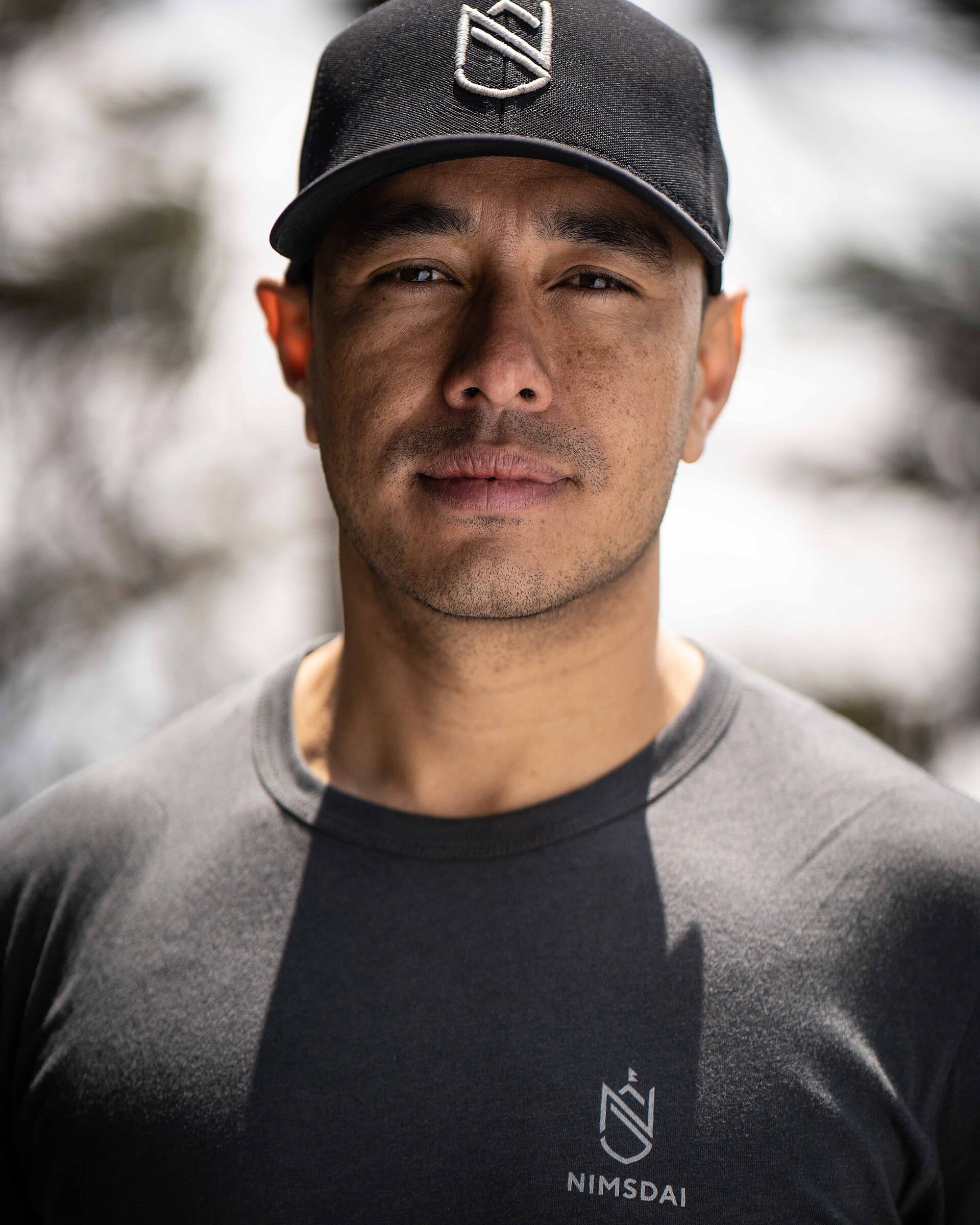
His prominence was understandable. He had already established an international following through his previous mountaineering achievements and media presence. But Mingma Gyalje had led his own expedition and contributed substantially to preparing the route, while the other eight climbers were equally part of the historic summit team.
The disparity in recognition does not establish that Nimsdai deliberately overshadowed his teammates. Public attention is shaped by celebrity, media access and the way mountaineering stories are communicated.
Nevertheless, it reveals an interesting contradiction. The climbers deliberately rejected an individual first on the summit, yet the achievement was subsequently communicated to much of the world through an individual hero.
The ten climbers shared the summit. Their public recognition was not necessarily shared equally.
The commercial expedition
The Nepali first ascent did not end the climbing season.
Other expeditions remained on K2, including the large commercial operation organised by Seven Summit Treks.
Contemporary reports gave varying figures for the company's contingent, but described a group of approximately fifty people, including clients and support climbers. The scale was unusual for a winter expedition on a mountain that had never previously been summited during that season.
Its size prompted concerns about whether the expedition's logistical arrangements and the experience of its participants were appropriate for the objective.
Those concerns deserve examination, but expedition size alone does not establish negligence. Nor does paying an operator necessarily mean a climber lacks experience.
Commercial expeditions can provide professional guidance, logistical support and employment for high-altitude workers. At the same time, an operator's responsibilities extend beyond transporting clients to Base Camp.
Equipment, shelter, staffing, acclimatisation plans, turnaround procedures and the assessment of client readiness are all consequential decisions.
The importance of those decisions became apparent during the February summit attempt.
The night without enough tents
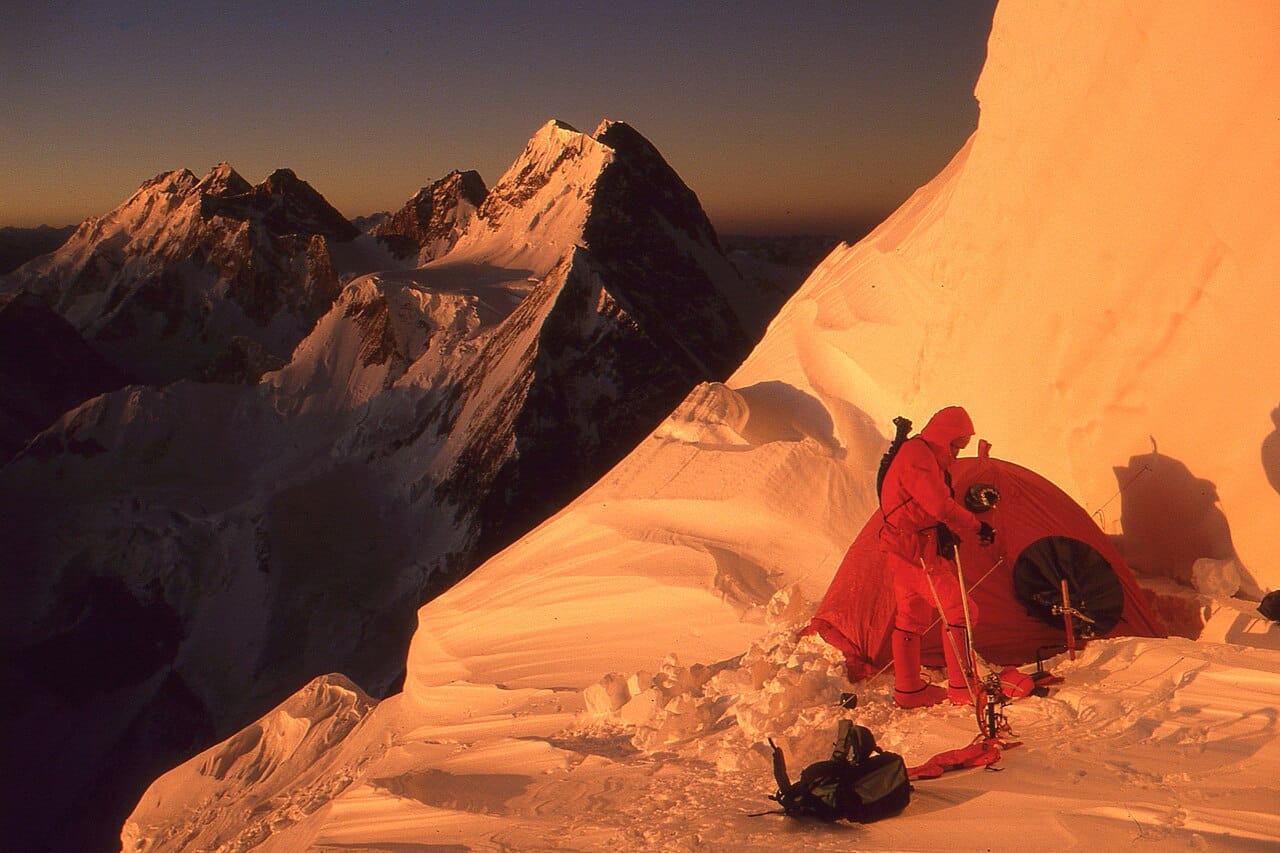
On 4 February, climbers from several expeditions moved toward Camp 3 in anticipation of a narrow weather window.
As more people arrived, it became clear that there was insufficient shelter.
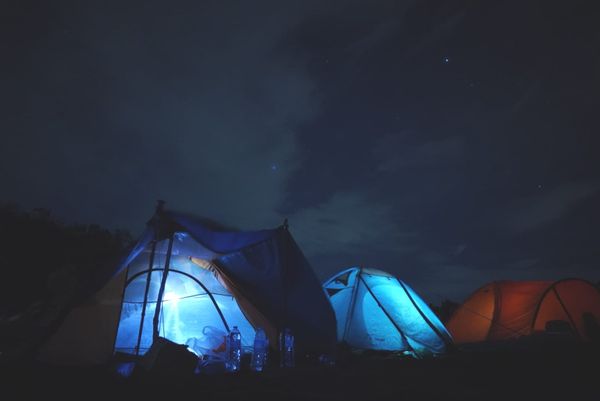
Contemporary accounts from climbers and expedition observers describe more than twenty people gathered at high Camp 3, with some arriving after dark. Only a small number of tents were available, forcing climbers to crowd into shelters intended for far fewer occupants.
In his account of the expedition, filmmaker Elia Saikaly described more than twenty-five people at high Camp 3 that night. He had been operating lower on the mountain and reported hearing increasingly alarming radio communications about the conditions above.
Tomaž Rotar, who reached Camp 3, described the difficulty of finding shelter and the inability of crowded climbers to rest properly, change clothing or prepare food and water.
Other accounts describe John Snorri and the Sadparas sharing their tent with additional climbers.
At an altitude above 7,000 metres, these were serious problems.
Climbers were preparing to undertake the most technically demanding section of the route after a night in which many had been unable to recover adequately. The combination of extreme cold, dehydration, fatigue and reduced oxygen availability created additional risks.
But the cause of the shelter shortage remains less clear than the fact that it occurred.
Contemporary reporting identified tents carried by climbers from different expeditions. It also noted uncertainty about the whereabouts of other tents that were expected to be available.
The evidence examined here does not establish precisely which organisation was responsible for every missing shelter or whether the shortage could have been prevented.
Rotar's account also introduces an important complication. He described a pre-summit briefing in which expedition leaders established pace requirements and instructed climbers who could not maintain the necessary speed to turn back.
According to Rotar, some climbers ignored those instructions and continued higher.
This testimony does not eliminate questions about expedition management. It demonstrates that operational decisions and individual conduct both require examination.
The distinction matters.
An operator may have obligations to assess client readiness and provide appropriate resources. Climbers also retain responsibility for decisions made on the mountain, including whether to continue when conditions deteriorate.
Determining where those responsibilities begin and end is particularly difficult in extreme-altitude mountaineering, where guides cannot always exercise the same control over clients that might be possible at lower elevations.
The Camp 3 episode raises serious questions about planning and decision-making. It does not, on the evidence currently available, establish a definitive finding of negligence against Seven Summit Treks.
February 5: The final ascent
After the difficult night at Camp 3, climbers continued toward the summit.
John Snorri, Muhammad Ali Sadpara, Sajid Sadpara and Juan Pablo Mohr were among those attempting to reach the top.
Several other climbers turned back because of equipment difficulties, physical condition or obstacles encountered on the route.
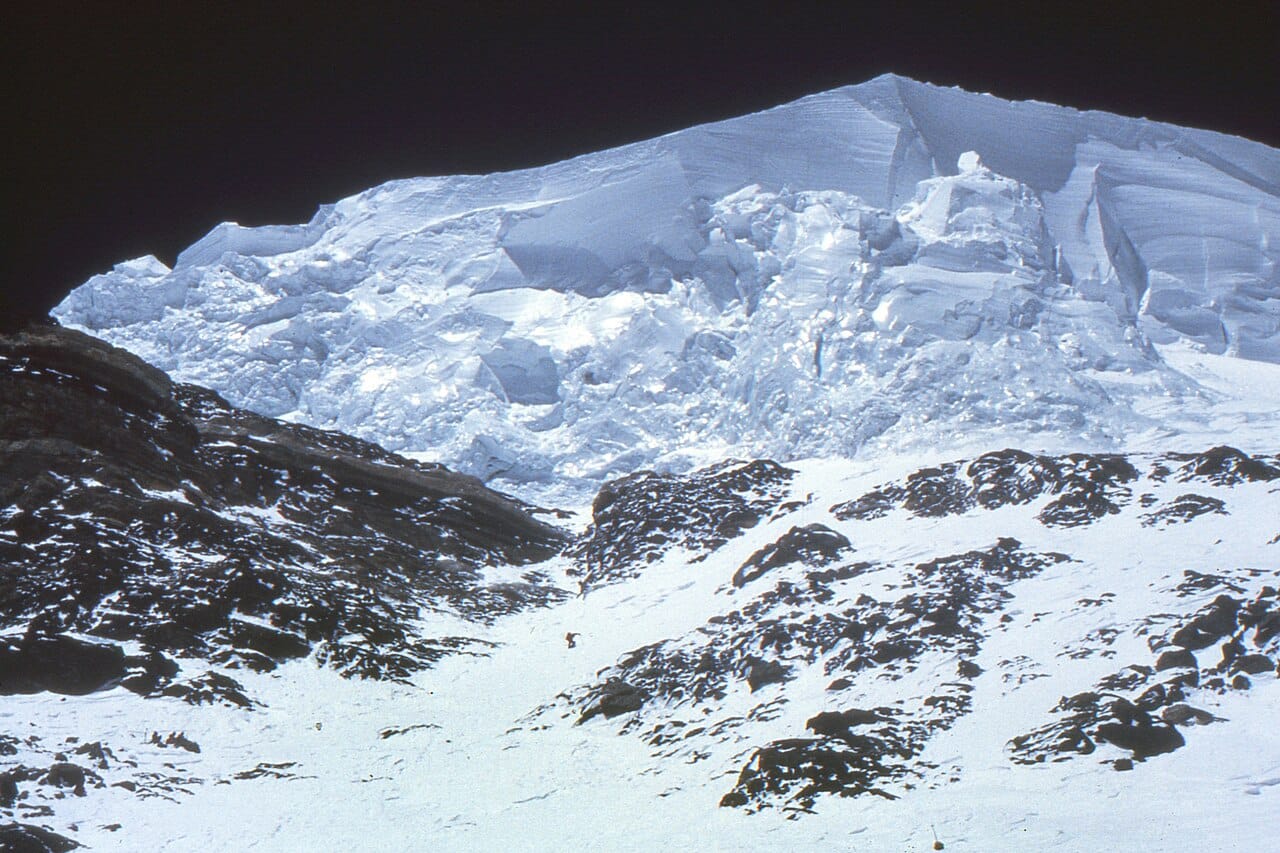
Sajid later described experiencing a problem with his oxygen regulator near the Bottleneck, the steep and exposed passage beneath K2's enormous summit serac.
He turned back.
His father, Snorri and Mohr continued upward.
They were never seen alive again.
Their disappearance prompted search efforts, but severe weather and the extreme altitude limited what rescuers could accomplish. Their bodies were eventually discovered later in 2021.
The precise sequence of events leading to their deaths has not been established.
The tragedy has nevertheless prompted questions about whether different decisions might have changed the outcome.
Could they have joined the Nepali summit attempt in January? Would better shelter at Camp 3 have left them physically stronger? Did the timing of their February summit push expose them to worsening conditions?
These questions are understandable, but they involve counterfactual circumstances that cannot be reconstructed with certainty.
A January ascent would have involved different weather, equipment, physical conditions and decisions. There is no reliable basis for concluding that joining the Nepali team would have prevented their deaths.
Similarly, the lack of adequate rest at Camp 3 was a documented safety concern. It may have increased the risks associated with the subsequent ascent. But the available evidence does not establish that it caused the three deaths.
Nor does the existence of a large commercial expedition establish a causal connection between that operation and the disappearance of Snorri, Ali Sadpara and Mohr.
Their individual experience also matters. Ali Sadpara was a veteran of major Himalayan expeditions, while Snorri and Mohr had significant mountaineering backgrounds.
Reducing their deaths to a simple story about inexperienced climbers pursuing commercial summits would misrepresent who they were.
The last known separation occurred when Sajid turned back and the other three continued. What happened afterward remains uncertain.
A winter marked by five deaths
The February disappearance was not the season's only tragedy.
Spanish climber Sergi Mingote died following a fall on 16 January, the same day the Nepali team achieved its historic ascent.
Bulgarian climber Atanas Skatov died following a fall on 5 February, during the later summit attempt.
Their deaths are important to the wider history of the winter, even though they occurred in different circumstances.
By the time the season ended, K2 had recorded its first winter ascent and five fatalities.
Those facts illustrate both the extraordinary nature of the Nepali achievement and the severe hazards confronting everyone on the mountain.
They do not establish that all five deaths shared a common cause.
When the documentary becomes part of the story
Five years after the expedition, The Last First has introduced the events to audiences who may know little about the original controversy.
Its greatest strength is access to footage recorded by people who were actually on the mountain. The film brings viewers close to the personalities, relationships and physical realities of the expedition in a way that written accounts cannot fully reproduce.
But documentary filmmaking necessarily involves editorial decisions.
The filmmakers choose which interviews to include, how events are arranged, what footage is shown and how much context accompanies particular statements.
Those decisions do not automatically undermine a film's credibility. They do mean that the resulting documentary is a constructed account rather than an exhaustive record.
Director Amir Bar-Lev has discussed some of those choices publicly, including his decision to exclude disturbing footage because of concerns about privacy and dignity.
The film's release has also generated criticism from within the Nepali climbing community.
On 31 October 2026, The Tourism Times reported that Mingma David Sherpa, one of the ten first winter ascent climbers, had raised concerns about the documentary's factual representation, subtitle translations and use of expedition footage.
He questioned whether the filmmakers had obtained appropriate authorisation for certain images and recordings.
These are allegations, not established findings of wrongdoing. The reporting examined for this article does not independently establish whether the disputed footage was used without permission, and no verified response addressing those specific allegations has been identified here.
The criticism nevertheless introduces a new dimension to an already contested history.
A documentary concerned partly with the recognition of Nepali climbers is itself being challenged by a Nepali participant over the portrayal and ownership of his story.
It illustrates how the debate surrounding K2 has moved beyond the ascent itself.
The question is no longer only who reached the summit, but how the events are remembered, whose testimony is emphasised and who has the opportunity to shape the public narrative.
The summit and the story
The first winter ascent of K2 is an established historical achievement.
Ten Nepali climbers reached the summit together on 16 January 2021, completing a challenge that had defeated previous winter expeditions for decades.
Their accomplishment deserves recognition regardless of the disputes that followed.
But the achievement does not resolve every question about the expedition.
Cooperation between the groups is documented, while the precise terms of any agreement to summit together remain disputed. Allegations about cutting ropes circulated, but the available reporting does not substantiate that ropes were deliberately cut.
The Camp 3 shelter shortage is supported by multiple accounts, although responsibility for the missing equipment has not been conclusively established. The deaths of Ali Sadpara, John Snorri and Juan Pablo Mohr remain a tragedy whose exact circumstances are unknown.
These distinctions matter because admiration and scrutiny are not mutually exclusive.
It is possible to recognise the Nepali climbers' extraordinary achievement while examining the conduct surrounding it. It is possible to question expedition management without assuming that every failure resulted from negligence. And it is possible to explore the circumstances of a tragedy without assigning causes that the evidence cannot support.
Perhaps the most revealing contradiction of K2's historic winter lies in the way the achievement has been remembered.
The ten climbers deliberately reached the summit together, rejecting the idea that one individual should claim the first step onto the top.
Yet the story that followed became entangled in competing accounts, individual reputations and disagreements about recognition.
The Last First has revived those debates, but it cannot settle every historical dispute.
What it offers is an opportunity to revisit the events, compare the available testimony and consider the people whose contributions and experiences may not fit neatly into a single narrative.
The question of who first reached K2 in winter was answered on 16 January 2021.
The question of how that history should be told remains considerably more complicated.
Sources & Further Reading
- American Alpine Journal — K2: First Winter Ascent (2021)
https://publications.americanalpineclub.org/articles/13201215979 - ExplorersWeb — Mingma G Answers K2 Summit Questions
https://explorersweb.com/mingma-g-answers-k2-summit-questions/ - ExplorersWeb — Tomaz Rotar: It's Time to Tell the Truth About K2
https://explorersweb.com/tomaz-rotar-its-time-to-tell-the-truth-about-k2/ - ExplorersWeb — K2: Sajid Sadpara's Story
https://explorersweb.com/k2-sajid-sadparas-story/ - ExplorersWeb — Magdalena Gorzkowska on Winter K2
https://explorersweb.com/magdalena-gorzkowska-on-winter-k2/ - Elia Saikaly — Atanas Skatov: What Happened on K2?
https://old.eliasaikaly.com/atanas-skatov-what-happened-on-k2/ - The Moveable Fest — Amir Bar-Lev on The Last First: Winter K2
https://moveablefest.com/amir-bar-lev-last-first-winter-k2/ - The Tourism Times — Nepali Climber Mingma David Criticizes Apple TV's K2 Winter Documentary, Calls for Transparency
https://www.thetourismtimes.com/news/climbing/nepali-climber-mingma-david-criticizes-apple-tvs-k2-winter-documentary-calls-for-transparency