The Summit Is Often the Least Interesting Part
Two climbers can share almost the same journey, yet be remembered very differently because only one reached the summit. Why do we allow a few minutes at the top to define an entire climb?

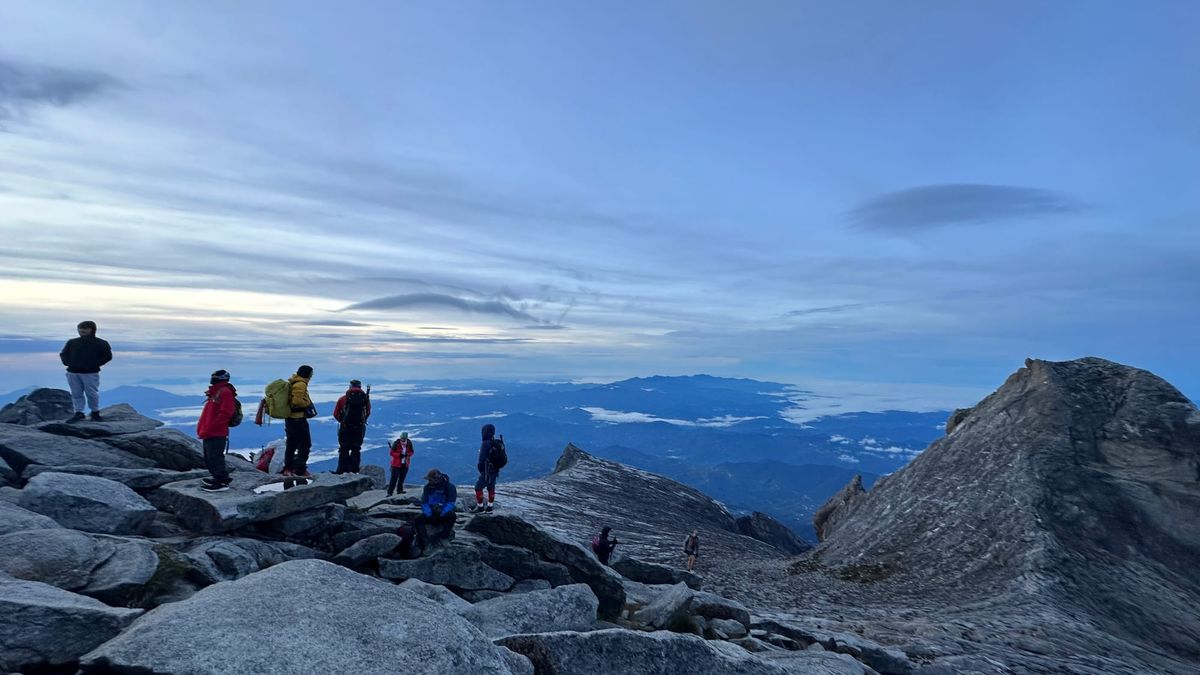
There is something peculiar about mountaineering. Climbers spend hours, sometimes days, working towards a single geographical point, only to spend a fraction of that time standing on it.
Yet that brief moment often becomes the defining measure of the entire experience.
Summit photographs, elevation figures, completion times, and lists of conquered peaks provide convenient ways to communicate an achievement. They offer something tangible, a result that can be recorded, compared, and celebrated.
What they reveal about the experience itself is considerably less straightforward.
Consider two climbers following the same route, facing the same conditions, and enduring much the same physical and psychological demands. One reaches the summit. The other turns back just short of it.
Their experiences may be remarkably similar, but their achievements are often described in fundamentally different terms. One succeeded. The other failed.
That distinction is not entirely unreasonable. Reaching the summit is, after all, the objective of most climbs. Turning back, whatever the circumstances, means that particular objective was not achieved.
But does the outcome adequately describe everything that happened before it?
Much of mountaineering unfolds away from the summit: the uncertainty of changing weather, decisions made under fatigue, conversations between strangers, or hours spent moving through unfamiliar terrain in darkness. These experiences are not necessarily more meaningful than reaching the top, but they are often harder to measure and less convenient to communicate.
The summit, by contrast, offers a remarkably simple conclusion to a complicated experience.
There is nothing inherently wrong with celebrating it. For some climbers, reaching the top represents years of preparation, extraordinary perseverance, or the fulfilment of a deeply personal ambition.
And sometimes the summit really is the most interesting part.
What deserves questioning is not its importance, but the extent to which we allow it to define the entire climb.
A mountain can occupy days of someone's life, yet its story is often reduced to the few minutes spent at its highest point.
Perhaps the more interesting stories are the ones that cannot be captured in a summit photograph.