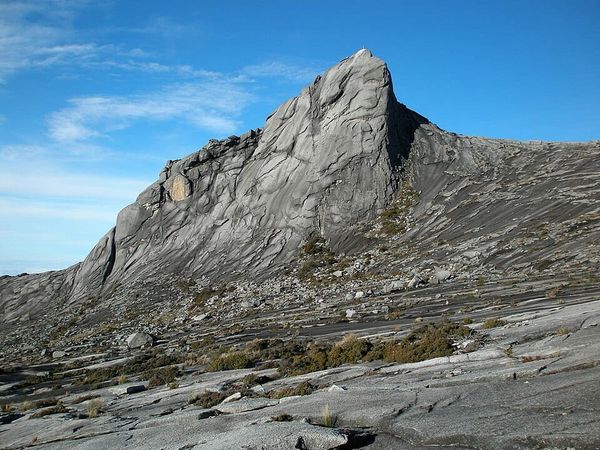
The Mountain Doesn't Know You Were There
We photograph summits, record GPS tracks, and share our achievements. But does the expectation of sharing a climb change how we experience it? A reflection on mountains, memory, and the human desire to leave proof.

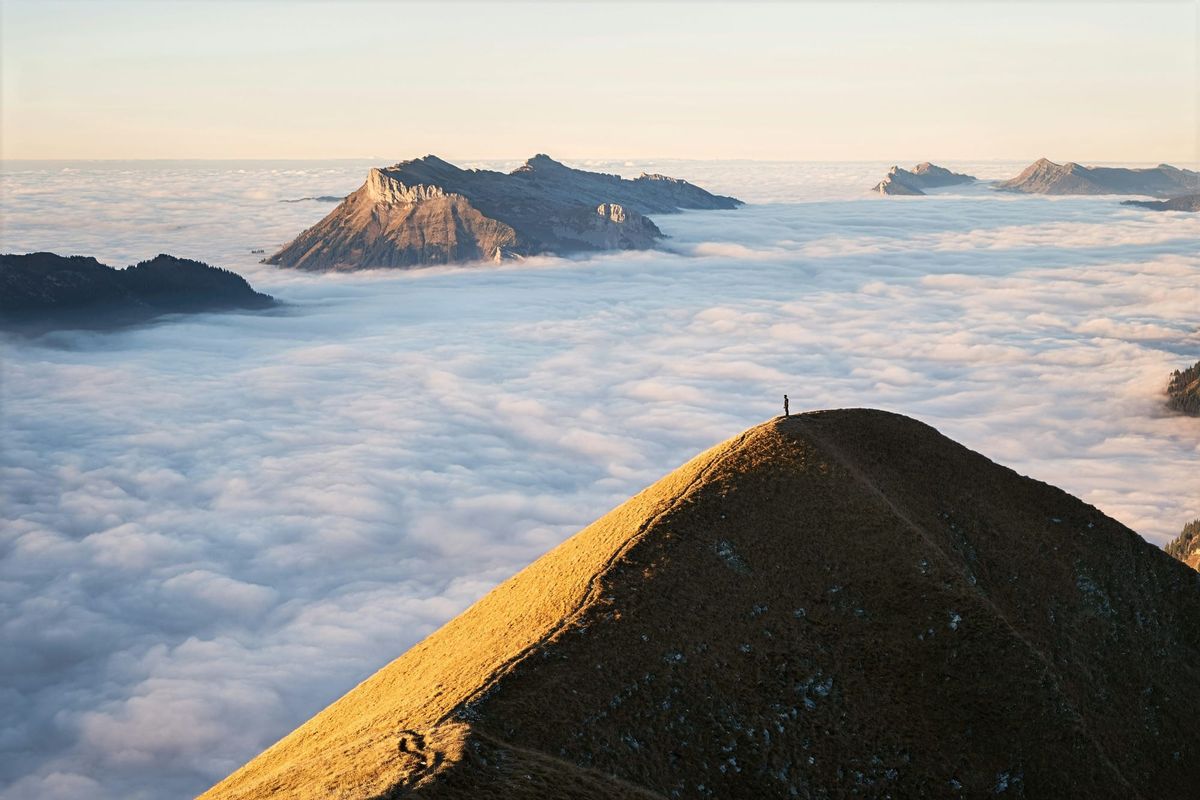
On summit photographs, digital footprints, and the human desire to leave proof.
We reach the summit. We take a photograph. Perhaps another, just to be sure. Someone raises a flag. Someone else checks their GPS watch. Before long, the climb has become a collection of images, coordinates, and statistics waiting to be shared.
There is nothing inherently wrong with this. Photographs preserve memories. GPS tracks document journeys. Sharing an achievement is a perfectly human thing to do.
And the desire to leave evidence of our presence is hardly new.
Long before smartphones, climbers signed summit registers, leaving names and dates in notebooks tucked inside metal containers. Some of these records have survived for generations. The technology has changed, but the impulse remains familiar: we want something to testify that we were there.
What has changed is the audience.
A summit register might be read by the next climber who happens to open it. A photograph uploaded to Instagram can reach thousands of people who have never seen the mountain itself.
Somewhere along the way, documenting an experience can begin to feel like part of completing it.
There is a curious contradiction in this. We often go into the mountains to escape the noise of everyday life, yet carry the means of broadcasting our experiences all the way to the summit. We seek solitude, then look for someone to share it with.
But perhaps that contradiction says less about modern technology than it does about human nature. An extraordinary experience often creates an equally powerful desire to tell someone about it.
The more interesting question is whether the expectation of sharing an experience changes how we experience it.
Would we linger as long at the summit if there were no photographs to take? Would we notice different things if we weren't thinking about how to frame them? Would reaching the top feel any less satisfying if nobody else ever knew?
There are no universal answers. A photograph can deepen a memory just as easily as the pursuit of one can distract from it. And for some climbers, documenting the journey is itself a meaningful part of the experience.
Still, there is something worth considering.
Long after the photographs disappear into forgotten folders, the GPS files become obsolete, and the summit posts stop receiving attention, the mountain will remain indifferent to our presence.
It was there before we arrived.
It will be there after we leave.
And it never needed to know our names.